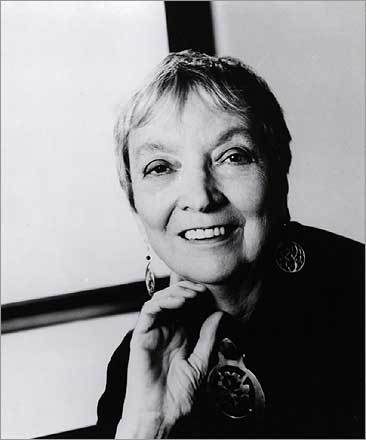
Madeline L'Engle is one of my favorite writers. Most people have read her 1963 Newberry Award winner A Wrinkle in Time. But the book I return to again and again is Walking on Water: Reflections on Faith and Art. Instead of praising all the different books she's written, today I am going to pull out two quotes to share with you.
***
"To trust, to be truly whole, is also to let go whatever we may consider our qualifications. There's a paradox here, and a trap for the lazy. I do not need to be "qualified" to play a Bach fugue on the piano (and playing a Bach fugue is for me an exercise in wholeness). But I cannot play that Bach fugue at all if I do not play the piano daily, if I do not practice my finger exercises. There are equivalents of finger exercises in writing books, the painting of portraits, the composing of a song. We do not need to be qualified; the gift is free, and yet we have to pay for it."
***
"When another young woman told me that she wanted to be a novelist, that she wanted to write novels for Christian women, and asked me how was she to go about it, I wrote back, somewhat hesitantly, that I could not tell her because I do not write my books for either Christians or women. If I understand the gospel, it tells us that we are to spread the Good News to all four corners of the world, not limiting the giving of light to people who already have seen the light. If my stories are incomprehensible to Jews or Muslims or Taoists, then I have failed as a Christian writer. We draw people to Christ not by loudly discrediting what they believe, by telling them how wrong they are and how right we are, but by showing them a light that is so lovely that they want with all their hearts to know the source of it.
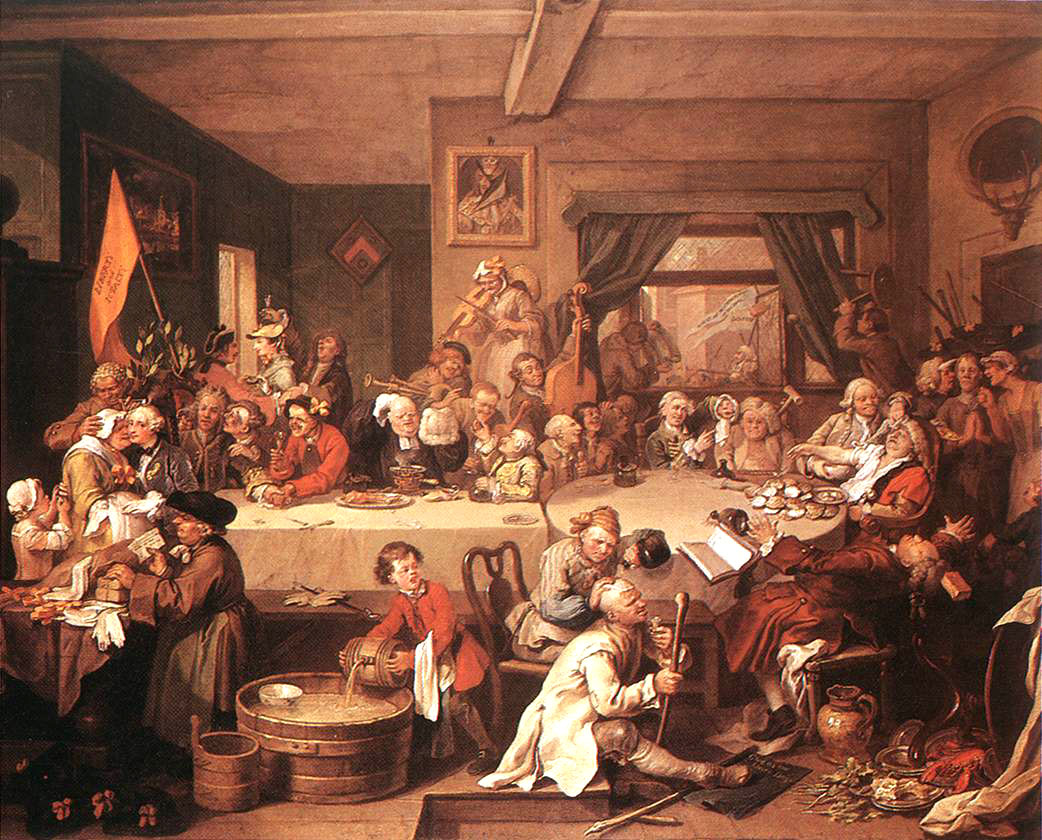
If our lives are truly "hid with Christ in God," the astounding thing is that this hiddenness is revealed in all that we do and say and write. What we are is going to be visible in our art, no matter how secular (on the surface) the subject may be. Some of those angry etching of Hogarth, depicting the sordidness and squalor and immorality caused by the social inequities of his day are profoundly incarnational, for they are filled with anguished pity for the thief and the prostitute and the scum of the earth, and this compassion is Christ's"
[The hyperlinks are my addition.]



No comments:
Post a Comment